Partnership Insurance Solutions Business Loan Repayment Calculator
Estimate repayments with our Business Loan Calculator. Compare finance options, tailor loan terms, and plan with confidence for your business growth.
'Calculator results are estimates only and not quotes. Actual quotes will be provided by licensed brokers after you submit an enquiry.'
Business Loan Details:
Important!
Business Loan Interest Rates differ from lender to lender and will depend on your individual circumstances (credit history, employment status, age, etc.). To find out if you qualify ... and for a free, personalised interest rate and repayment quote, please CLICK HERE
Business Loan Amortisation Calculator
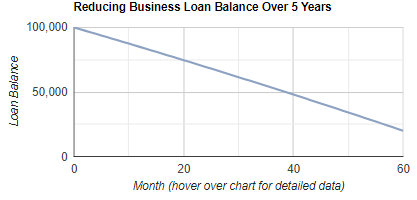
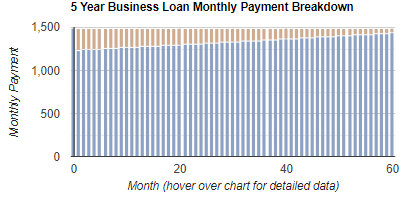
The following amortisation graphs detail month-by-month data on the progress of the proposed loan. The first chart below examines the reducing loan balance over the course of the finance contract term. The second graph illustrates the portion of each monthly repayment allocated to payment of interest vs principal reduction.
How to use our Business Loan Repayment Calculator
Our Business Loan Repayment Calculator helps you estimate business loan repayments, compare finance options and understand the true cost of borrowing before you commit. It is important because small changes to your loan amount, interest rate, term or balloon payment can materially change cash flow, total interest and end-of-term obligations. This calculator provides an indicative estimate only and is designed to support planning and budgeting for business growth.
How to complete each section for the best result:
1. Loan Amount
Enter the amount you expect to borrow as a whole number (no dots or commas). Include any costs you plan to capitalise into the loan, such as stamp duty, registration, insurance or other applicable fees, so the estimate reflects your real financed amount.
2. Balloon or Residual Payment (optional)
Select a residual as a percentage of the purchase price. A higher residual usually reduces ongoing repayments, but increases the amount due at the end and can increase total interest over the term. Choose a residual only if you have a realistic plan to refinance, pay it out, or sell an asset to meet the final amount.
3. Term of Loan
Select the number of years you want to repay the loan. A longer term generally lowers periodic repayments but increases total interest paid. A shorter term can reduce total cost but may place pressure on cash flow.
4. Interest Rate
Select an indicative annual interest rate to run a scenario. Your actual rate depends on lender assessment and your business circumstances, so consider testing multiple rates to stress-test affordability.
How to interpret the results:
1. Repayment estimate
Use the repayment figure as a budgeting guide for regular cash flow planning. If you selected a residual, remember the final payout is additional to the periodic repayments.
2. Amortisation charts
Review the reducing loan balance over time and the split between interest and principal. Early repayments typically include a higher interest component, with principal reduction accelerating later.
General information only, not personal financial advice. It does not consider your objectives, financial situation or needs. Consider the loan contract, fees, repayment frequency, and whether the repayments remain affordable under higher rates or lower revenue, and seek professional advice if required.
Australia’s move towards restricting how life insurers use genetic test results is an important development for people who have delayed testing, treatment or insurance conversations because of privacy and affordability concerns. The reform is intended to reduce the risk that someone is discouraged from taking a clinically useful genetic test because they fear it may later affect their ability to obtain life, total and permanent disability, trauma or income protection cover. - read more
Fresh prudential reporting on Australia’s life insurance sector suggests the market is continuing to regain stability after several difficult years of claims pressure, premium scrutiny and product redesign. For policyholders, that is a positive signal. A stronger insurer market generally supports confidence that long-term promises can be met, especially where life, total and permanent disability and trauma benefits are intended to protect families, business debts and succession arrangements. - read more
Recent consumer finance reporting has again highlighted a familiar pressure point for Australians: household and business budgets are being stretched, and insurance premiums are increasingly coming under review. For life insurance customers, that does not always mean cancelling cover. It should mean checking whether the policy still matches the risk it was bought to manage. - read more
The life insurance industry’s response to the independent Life Insurance Code of Practice review is now shifting from what should change to how those changes may be put into practice. The review’s recommendations have already put pressure on insurers to improve clarity, fairness and support for customers, particularly where mental health, vulnerability and claims handling are involved. - read more
In the fast-paced world of business, maintaining a solid insurance policy is more than just ticking a box; it's a critical component of ensuring long-term stability and success. For Australian consumers, particularly those involved in business partnerships, understanding the nuances of insurance is vital. - read more
In the bustling world of business, ensuring that your operations are protected against unforeseen circumstances is crucial. This article explores the significant benefits of engaging a broker for your business insurance needs. Whether you're new to business insurance or looking to enhance your current coverage, understanding how a broker can help is key. - read more
Risk management in the context of business partnerships involves identifying, assessing, and prioritising risks that could impact the success of a business alliance. Whether it’s financial, operational, or reputational, understanding these risks helps partners make informed decisions, safeguarding their shared interests. - read more
In the dynamic world of business, safeguarding your interests often requires more than just market acumen and financial investment. Life insurance plays a pivotal role in ensuring the continuity and stability of a business, particularly when business partnerships are involved. It serves not only as a cushion for unforeseen events but also as a strategic tool for risk management. - read more
Knowledgebase
Liability Insurance: Insurance that provides protection from claims arising from injuries or damage to other people or property